Article Overview
A core switch operates at the core layer of a three-tier hierarchical network, connecting distribution switches and ensuring high-speed, reliable data transfer across the network.
Core Layer
The core layer is the backbone of the network, where the core switch resides. It is designed for high-capacity, high-performance routing and switching, handling massive volumes of data with ultra-low latency and maximum throughput . Core switches provide Layer 3 functionality, enabling IP routing between VLANs, subnets, and security zones, and often include features like link aggregation, redundancy, and modular scalability . This layer ensures that data from multiple distribution switches is efficiently aggregated and forwarded across the network.
Distribution Layer
The distribution layer acts as an intermediary between the core and access layers. It collects data from the access layer, performs selective routing and switching, and forwards traffic to the core layer . Layer 2 or Layer 3 switches in this layer help reduce congestion, enforce policies, and manage traffic efficiently. The distribution layer also provides redundancy and load balancing to maintain network reliability.
Access Layer
The access layer is the point where end devices connect to the network. It includes switches that provide connectivity to computers, IP phones, cameras, and other devices . Access switches handle the initial routing and switching of data packets, which are then sent to the distribution layer for further processing. This layer ensures that users and devices can access network resources securely and efficiently.
Summary of Data Flow
- Access Layer: End devices send data to access switches.
- Distribution Layer: Data is aggregated, filtered, and routed toward the core.
- Core Layer: Core switches forward data at high speed across the network backbone, connecting multiple distribution switches and ensuring minimal latency . This three-layer hierarchical model provides scalability, simplified management, and improved performance, making it ideal for large enterprise networks and data centers .
SMB Network Design: Core vs. Distribution vs. Access Switches
The Three-Tier Hierarchy: Why Layers Matter In any professional environment, switches are deployed in a three-layer
Understanding the Core Switch: Key Differences and Uses
Explore the core switch''s role as the backbone of your network. Discover key differences,
Adding a Core Switch with Layer 3
Yes, a layer 3 switch is much better at routing vlan traffic vs a firewall. Yes, you''ll need to add routes to your local
Small Enterprise Design Profile (SEDP)—Network Foundation Design
Core Layer—The core-layer provides high-speed, scalable, reliable and low-latency connectivity. The core layer aggregates several
Core vs Distribution vs Access Switch: Architecture Guide
A core switch is a massive, highly resilient, modular Layer 3 routing platform designed with one singular objective: to
FS Community
Hier sollte eine Beschreibung angezeigt werden, diese Seite lässt dies jedoch nicht zu.
Collapsed Core Layer Explained
Figure 1 – Collapsed Core Layer Architecture Another frequently used scenario is the one in which an organization has multiple
What is Three-Tier Architecture in Switch Networking?
In such scenarios, deploying a three tier architecture network is undoubtedly a prudent choice. The access layer
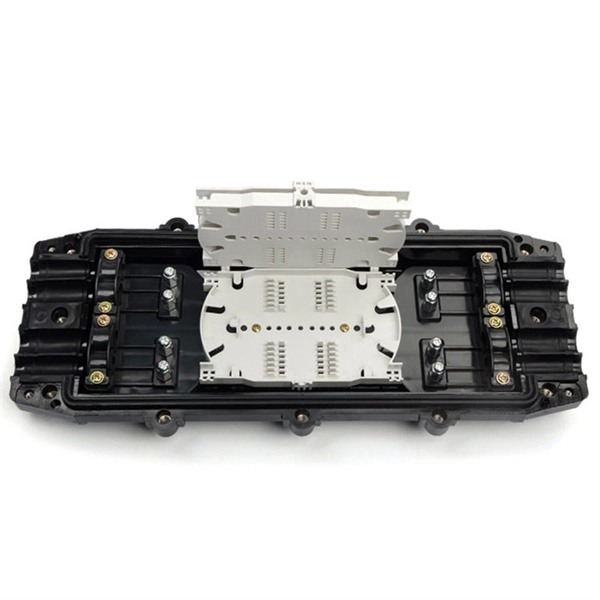
Two-tier and three-tier switch architectures
Core switches represent the heart of the network and are the top layer of a three-tier network. With its high throughput, a core switch

Cisco three-layer hierarchical model
This article describes the Cisco three-layer hierarchical model which includes the Access, Distribution, and Core layers.
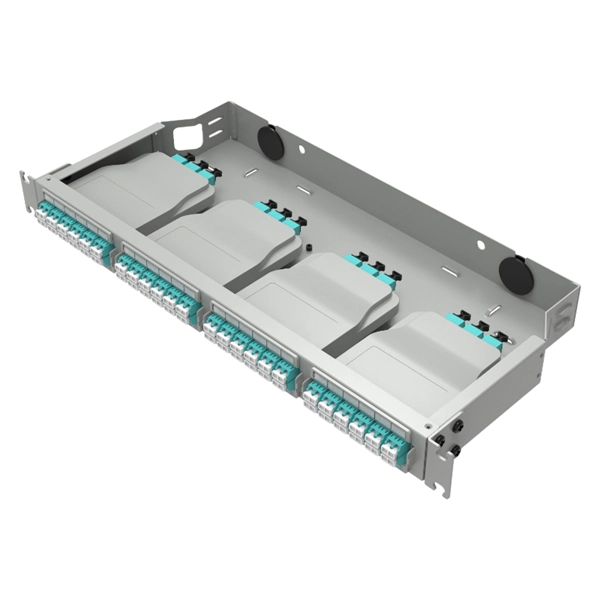
What is a Core Switch | Functions and Difference over Normal Switch
Because the access layer switch''s function is to allow end-users to connect to the network, it must be low-cost and
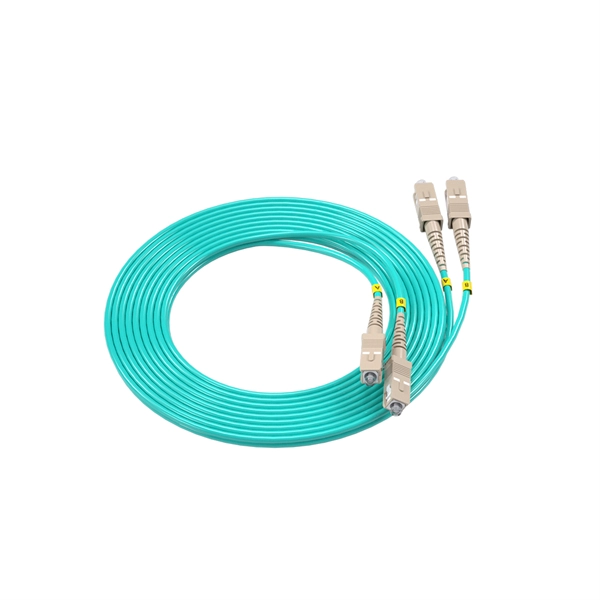
What Is a Core Switch? Network Backbone Architecture
What makes a core switch a “Layer 3” switch? Core switches are considered Layer 3
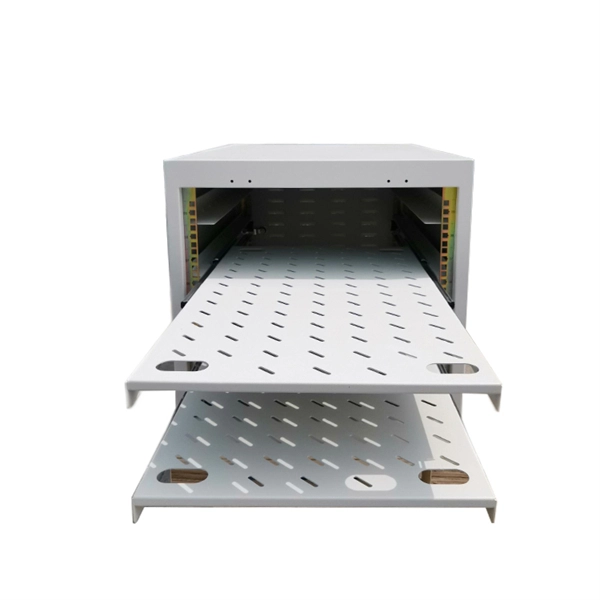
Core Switches: The Pillar of Network Infrastructure
The three layers – Core, Distribution, and Access – each have their unique roles, facilitating a more organized and
Access, Distribution, and Core Layers Explained
This tutorial provides an overview of the access, distribution, and core layers and explains two-tier and three-tier
Hierarchical Network Model: Access, Distribution, and Core Layer
Understand the three-layer hierarchical network model: access, distribution, and core layers. Covers collapsed core vs three-tier
Collapsed Core and Three-Tier Network Architectures
We''ll have an overview of the Collapsed Core Design, on top of the Collapsed Core and the Three-tier
Cisco Three-Layer Hierarchical Model | PDF | Network Switch
The Cisco Three-Layered Hierarchical Model defines a network architecture comprising three functional layers - the core, distribution
Understanding Core Switch: What It Is and How to Choose the
A core switch is not merely a type of switch but rather denotes the switch that operates at the core layer (the network''s

Three-Layer Hierarchical Model in Cisco
The Distribution Layer: Acts as an intermediary between the Core Layer and the Access

What Is a Core Switch?
Sitting at the top of the hierarchical model, core switches interconnect distribution layer switches and provide high-speed data
Core Switch Explained: Key Functions and Benefits
What Is a Core Switch A core switch is vital in a network''s design, mainly working at Layer 2 of the OSI model. It can
What Are the Three Layers of the Switch Hierarchical Design Model
Conclusion The three layers of the switch hierarchical design model—core, distribution, and access—each play a vital

What Is a Core Switch?
A core switch is the backbone of a large-scale network, designed to handle massive volumes of traffic with ultra-low latency and

Cisco 3 Layer Model
This lesson presents performance enhancement tools for your switching infrastructure in the face of extreme bandwidth requirements.
Three-Tier Architecture
The two-tier (collapsed core) architecture simplifies the design for smaller networks by combining distribution and core into one layer.

Cisco Three Layer / Three-tier Hierarchical Network Model
Better Scalability: Cisco Three Layer Network Model allows us to efficiently accomodate future growth. Better Redundancy: Cisco
Three-Tier Network Architecture Lab: Building Enterprise-Grade
The three-tier (or three-layer) hierarchical model is a Cisco-advocated network design that divides an enterprise LAN
Related Resources
- Ivory Coast Single Core Pigtail Company
- How to identify the number of optical fibers in a fiber optic cable
- Installation of 72-core fiber optic connector closure
- Fiber optic sensor for temperature monitoring
- Three essential elements of fiber optic communication
- Nauru Spectrometer for Sale
- Testing Standards for 4-Core Single-Mode Optical Cables
- Which is better for storage fiber optic cables or routers
- How many wires are mainly used in fiber optic patch cords for connection
- Which company offers the cheapest wire mesh cable trays in Malawi
- Optical Module Single-Mode Multi-Mode Selection
- Laying optical cables in confined spaces
- French SC fiber optic adapter
- Wiring the power output of the distribution box
- Kenya Composite Optical Cable Wholesale Manufacturer
- Price of 10 Gigabit Optical Modules for Sale