Article Overview
1.6T active optical devices enable ultra-high-speed, low-latency interconnects for AI, HPC, and edge computing, supporting 200–224G per lane PAM4 transmission with integrated DSPs and optical engines.
Overview
1.6T optical devices are designed to meet the bandwidth and latency demands of next-generation AI and edge computing networks. They achieve 1.6 terabits per second by using 8 lanes at 200–224G per lane with PAM4 modulation, which increases transmission efficiency compared to traditional NRZ signaling (2-level) and allows higher data throughput in compact form factors . These devices are critical for high-density AI clusters, hyperscale data centers, and edge computing nodes, where low latency and high bandwidth are essential.
Key Components and Technologies
Digital Signal Processors (DSPs): Modern 1.6T DSPs, such as Credo's Robin DSP, provide equalization, signal compensation, and PAM4 signal enhancement, ensuring high signal integrity across optical links while maintaining low power consumption . They support active optical cables (AOCs), linear receive optics (LRO), and fully retimed transceivers.
Optical Engines: POET's Teralight 1.6T optical engines integrate transmit and receive functions on a single system-on-chip, including EML lasers, photodiodes, TIAs, optical multiplexers, and high-speed drivers. This integration reduces cost, simplifies module design, and improves reliability .
Form Factors: OSFP-XD is currently the mainstream form factor for 1.6T modules due to its superior heat dissipation and ability to accommodate complex DSPs and optical engines, while QSFP-DD is limited to short-reach scenarios . DR and FR solutions support mid- to long-reach single-mode links, with EML and silicon photonics (SiPh) technologies competing for efficiency and integration advantages.
Performance Metrics
- Lane Rate: 200–224G per lane PAM4
- Latency: Sub-7ns for PCIe retimers and low-latency optical links
- Power Efficiency: Linear pluggable optics (LPO) and LRO modules consume 4–16W depending on reach and integration
- Integration: Co-packaged optics (CPO) and near-packaged optics reduce signal loss and improve energy efficiency
Applications in Edge Computing
- AI and HPC Clusters: 1.6T modules support high-bandwidth, low-latency interconnects for distributed AI training and inference, enabling large-scale GPU/CPU clusters to communicate efficiently .
- Edge Data Centers: Compact, low-power 1.6T transceivers allow high-density deployment in edge nodes, supporting real-time analytics and AI inference close to data sources.
- Cloud-Scale Networks: These devices facilitate lossless RDMA networks and high-speed chip-to-chip communication, critical for hyperscale cloud infrastructure .
Market Trends
- Rapid Growth: Global demand for 1.6T optical modules is projected to reach 3–5 million units in 2025, with market value exceeding $1 billion, driven by AI and HPC workloads .
- Supply Chain Maturity: Increasing availability of integrated DSPs, optical engines, and co-packaged optics is accelerating adoption in both hyperscale and edge computing environments.
- Future Expansion: Technologies like POET's Blazar light source and integrated optical interposers aim to scale beyond 1.6T toward 3.2T pluggable modules, further enhancing bandwidth and reducing cost per bit .
Conclusion
1.6T active optical devices combine high-speed DSPs, integrated optical engines, and advanced modulation techniques to deliver ultra-high bandwidth, low latency, and energy-efficient interconnects. They are essential for AI-driven edge computing, hyperscale data centers, and next-generation cloud networks, enabling scalable, high-performance infrastructure while addressing power, thermal, and integration challenges. These devices represent a critical step in the evolution from 400G/800G to multi-terabit optical interconnects.
1.6T Transceivers Explained: Advantages, Types & FS Solution
Explore the evolution of 1.6T optical transceivers, including their working principles, key technologies, module types,
3.2T and 1.6T | OpenLight Photonics
3.2T and 1.6T OpenLight''s PASIC platform enables the design and manufacture of breakthrough, 3.2Tbps and 1.6Tbps, fully
Everything You Need to Know About 800G/1.6T Optical Transceiver
The 800G optical module supports high-speed backhaul between 5G base stations through fronthaul and midhaul networks, and at
1.6T Transceivers Explained: Advantages, Types & FS Solution
This article explains how this new 1.6T rate emerged, what the technical principles and key features of 1.6T optical
1.6T Transceiver Market Trends for AI & HPC Networks
This article analyzes leading 1.6T optical module vendors, key technology developments, and future deployment

Unlocking the Potential of 1.6 T Optical Transceiver Modules for High
Discover the power of 1.6 T optical transceiver modules for data centers, featuring 400G, 800G, and OSFP designs.
Photonic edge computing based on directly modulated laser array
We propose a photonic edge computing scheme based on a directly modulated laser array (DML) , aiming to
1.6T Optical Transceivers – The Next Evolution in High-Performance
In AI and HPC environments, where massive east-west traffic dominates, 1.6T transceivers are becoming a key
OSFP vs. OSFP-XD: Choosing the Right 1.6T Transceiver Form Factor
Explore the differences between 1.6T OSFP and OSFP-XD optical transceivers, including bandwidth scalability,
1.6T OSFP-XD: Next-Gen Data Center Optical Module
With the rapid growth of cloud computing, artificial intelligence (AI), 5G, and the Internet of

NADDOD 1.6T Optical Transceiver Differences Analysis
Learn the key differences between 1.6T transceiver models, including InfiniBand vs Ethernet protocols, DR4 vs FR4
Technology from 400G to 800G to 1.6T Transceivers | FiberMall
This paper describes the technical route of optical communication from 400G to 800G to 1.6T optical modules and
POET Teralight 1.6T Optical Engines
The complete optical system-on-chip consists of a 1.6T transmit optical engine and a 1.6T receive optical engine, each approximately
Everything You Need to Know About 800G/1.6T Optical
5G-Advanced and Edge Computing Infrastructure The 800G optical module supports high
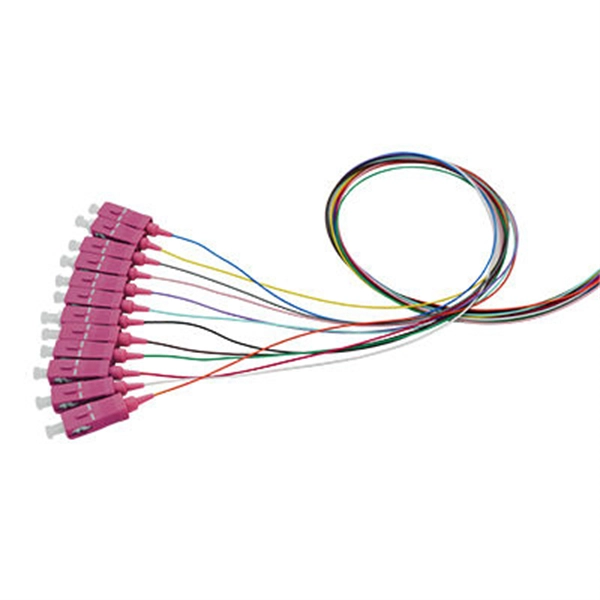
Co-packaged optics (CPO): status, challenges, and solutions
Co-packaged optics (CPO) combines photonic devices with high-performance electronics via advanced packaging to
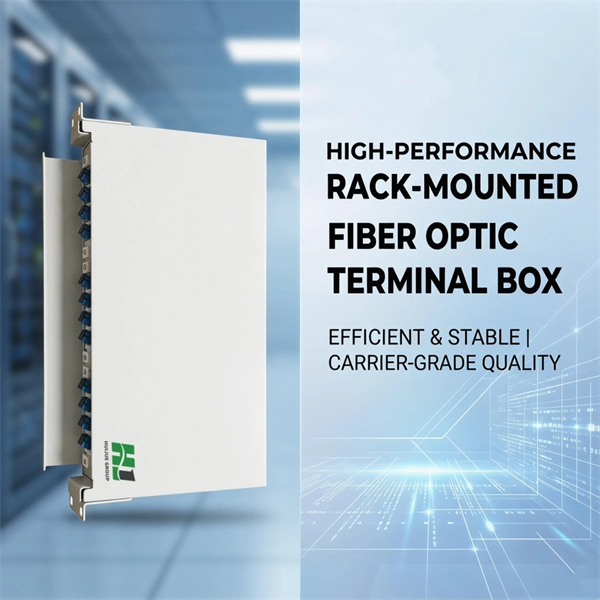
OFC 2025 unveils 1.6T networking innovations
The 1.6T light engine is a highly integrated device featuring 200G electrical and optical interfaces. It consumes less
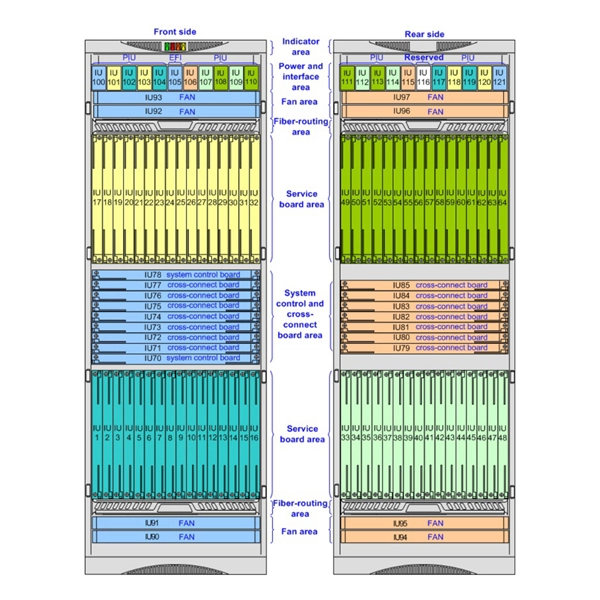
Genuine Optics Unveils Groundbreaking 1.6T AEC & ACC Copper
Powering AI Factories with Unmatched Energy Efficiency and Cost Performance San Francisco, CA – [April 1,2025] –
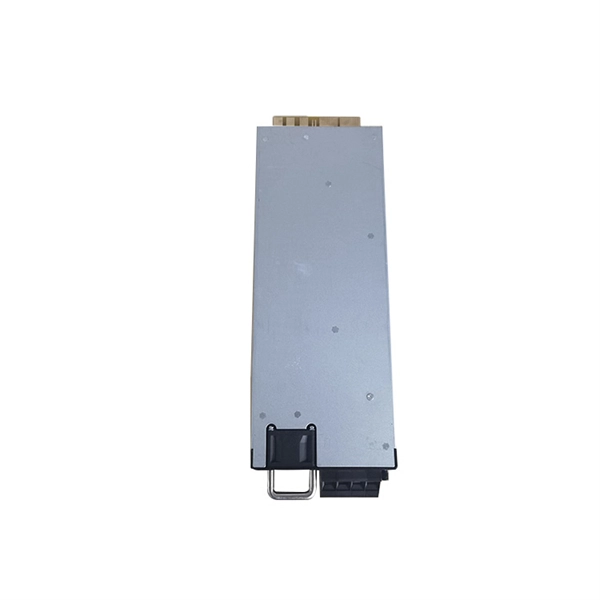
NADDOD 1.6T OSFP224 Optical Modules for AI Networks and
NADDOD 1.6T osfp224 optical modules provide high-speed, reliable connectivity for AI data centers. Fully verified for
POET to Demonstrate Cutting-Edge Light Source and Industry
Built on the POET Optical Interposer™ platform, Blazar is a ground-breaking light source solution to power both co
TSMC silicon photonics cpo brings 1.6T optical
TSMC has successfully tested micro ring modulators (MRMs), a crucial part of enabling CPO
OFC 2025 unveils 1.6T networking innovations
OFC 2025 showcases a range of innovations in DSPs, optical transceivers, AI-enabled networks, and 1.6-terabit
1.6T linear-drive optical engine for Chinese co-packaged optics
Request PDF | On Mar 17, 2025, jiancheng deng and others published 1.6T linear-drive optical engine for Chinese co-packaged
1.6T Optical Modules and Scale-Up Networks: The Dual Engines
The optical communications industry is moving beyond incremental speed upgrades toward fundamental architectural
1.6T Optical Modules Officially Enter Mass Commercial Use: A New
Between 2024 and 2025, as hyperscale data center operators worldwide accelerate the deployment of next-generation AI clusters,
POET Technologies and Lessengers Expand Partnership to Deliver
The 1.6T 2×DR4 transceiver will utilize POET''s optical engines to integrate lasers, modulators, photodiodes, and
1.6T Optical Transceiver Roadmap for Future Data Centers
Discover what 1.6T optical transceivers are, how they fit AI data centers, and how to choose the right form factor, reach, vendor, and

Charting the Path Toward 1.6T and 3.2T Optical Module
Furthermore, the shift toward 200G/lane optical links in data centers sets the stage for 1.6T and 3.2T
Edge computing in future wireless networks: A
Abstract Future internet aims to function as a neutral in-network storage and computation platform, essential for
BRKOPT-2699
Optimal switch and interconnect design is affected by these requirements 400G/800G/1.6T use cases Cloud service providers Telco
Optical DSP
Credo''s low-power optical DSPs enable 50G 1.6T PAM4 transceivers and active optical cables for cloud-scale data centers and AI
1.6T Transceiver Market Trends for AI & HPC Networks
Explore the latest 1.6T Transceiver market trends driven by AI, HPC, and hyperscale cloud computing. This article
OFC 2025: AI, power, and 1.6T
1.6T optical modules were on display at many OFC 2025 booths. The people who design, operate, and maintain
The Ultimate Guide to 1.6T Optical Modules for Next-Gen AI
The 1.6T optical module is a high-speed interconnect solution supporting up to 1.6 Tbps. It converts electrical pulses
1.6T Optical Transceivers | POET Technologies | Oct 2025 | Photonics
SAN JOSE, Calif., Oct. 13, 2025 — POET Technologies'' 1.6T receiver optical engines are designed for AI and cloud networks. The
Related Resources
- How to sell a Turkish electrical distribution box
- Installation of New Type of Cable Trays in the Middle East
- Tanzania ADSS Fiber Optic Cable Junction Box
- Airport AI Server 100G
- Southern European Cable Tray Type
- Two cables are split from the fiber optic distribution box
- Belize Solar Cable Tray Wholesale
- Cycle of optical communication equipment
- Latest Equipment Prices for Optical Cable Engineering
- Malawi points 1310
- Fixture materials that do not scratch the optical module
- Fiber Optic Grating Temperature Sensing Monitoring
- Daning Cable Tray Manufacturer