Article Overview
Repeated grounding in distribution boxes ensures a continuous, low-impedance path for fault currents by connecting all metallic components, equipment, and auxiliary conductors to a common ground system.
Key Steps for Repeated Grounding
1. Identify Grounding Points Open the distribution box and locate the grounding bar (PE bar) or the designated grounding terminal. This is the primary connection point for all grounding conductors within the box . 2. Connect Power Ground Wire Use a yellow-green insulated copper wire with a cross-sectional area meeting or exceeding NEC requirements. Strip the wire appropriately, attach it to the PE bar, and tighten the terminal screw to ensure a firm connection . 3. Ground Electrical Components All metallic components inside the distribution box, including breakers, panels, and devices, should be connected to the PE bar using copper conductors. This ensures that any fault current is safely directed to ground . 4. Auxiliary Grounding System In addition to the main grounding via conduit, install a continuous auxiliary green wire system that parallels all feeders and branch circuits. This auxiliary system connects all panels, devices, and metallic enclosures to the main ground, providing redundancy and reducing impedance . 5. Bonding Metallic Conduits and Equipment All metal conduits entering the distribution box should be bonded to the equipment ground bar using locknuts or approved connectors. This ensures that the conduit system itself acts as a continuous grounding path . 6. Compliance and Testing Ensure that all connections are mechanically tight, corrosion-resistant, and compliant with NEC Tables 250.66, 250.102, and 250.122. Test the grounding system to verify low resistance (typically ≤25 ohms) and continuity across all connections .
Best Practices
- Use non-ferrous, UL-approved clamps and connectors for all grounding connections .
- Clearly label all grounding conductors for inspection and maintenance .
- Ensure that grounding conductors are sized appropriately for the circuit and fault current capacity. For branch circuits above 100 volts, a minimum of #12 copper is recommended, with #14 allowed for control circuits .
- Consider bonding all communication conduits to the main ground to prevent stray voltages .
- Maintain a continuous, low-impedance path from the main ground to all distribution boxes, panels, and devices to enhance safety and system reliability . Repeated grounding ensures that fault currents are safely dissipated, voltage differences between metallic parts are minimized, and the overall electrical system operates reliably under normal and fault conditions.
Electrical Grounding and Earthing
This connection is established using a thick copper conductor wire with very low resistance for safety reasons. Grounding, or
Grounding Systems Primer
Grounding Systems Primer In an electrical system, effective grounding ensures a safe working environment as well as proper
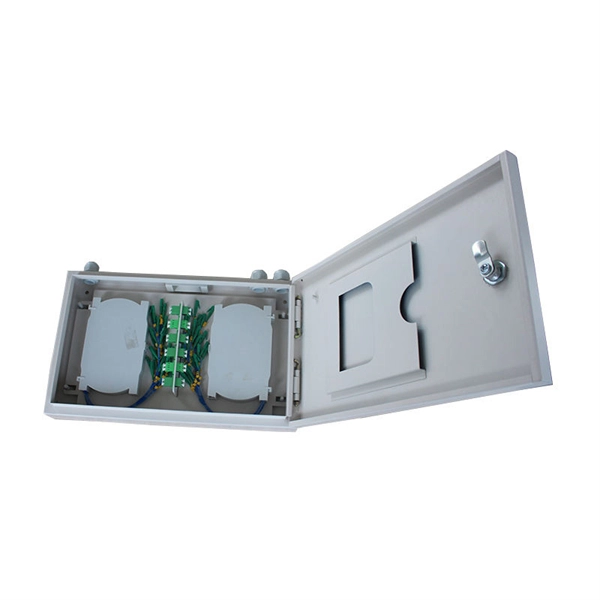
Repeated grounding of outdoor distribution box casing
Improper grounding in secondary systems can cause safety issues including fire and failure of equipment in homes. Most common
Fundamentals of Grounding in Industrial Automation and Control
The subject of grounding in electronics is broad and complex, spanning across a variety of functions and objectives.
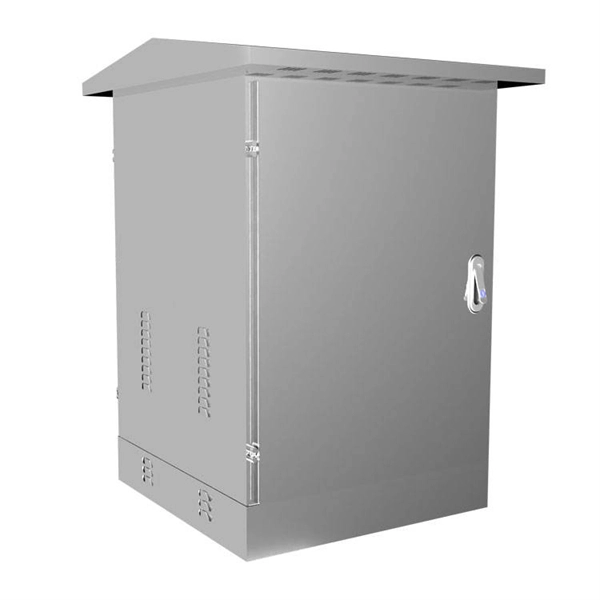
Grounding system construction: key points for grounding distribution
Grounding Distribution Boxes: Where Theory Meets Sweaty Palms The Dirty Secrets of "Quick Fix" Installations
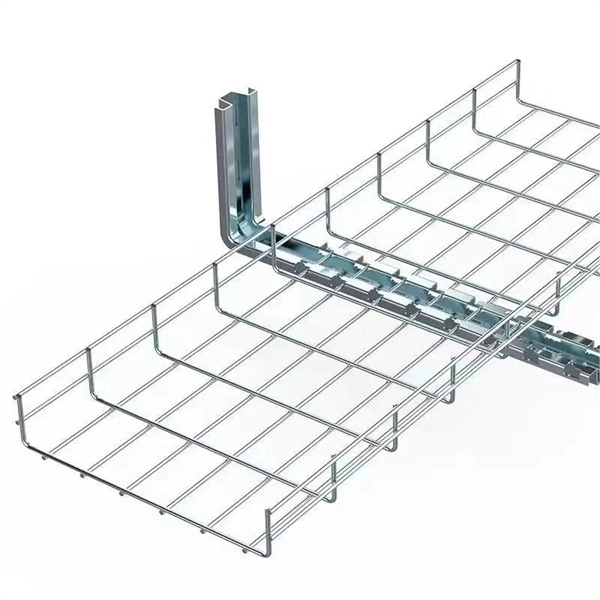
Repeated grounding of outdoor distribution box casing
With this convenient distribution box with a standard pin cable you can connect up to 4 grounding products with a grounded wall
3003.1-2019
Purpose: Grounding of an electrical system is a decision that must be faced by engineers charged with planning or
DUKE UNIVERSITY CONSTRUCTION STANDARDS 1
Grounding bus bars mounted exterior to electrical distribution equipment shall be provided with insulated standoffs. All service
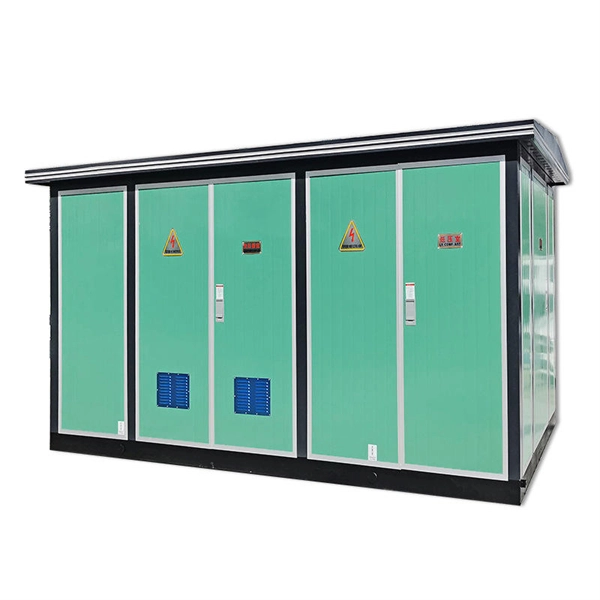
How To Make Repeated Grounding Of Distribution Box
How to make proper & safe electrical ground wiring connections in the box: This article describes options for connecting a metal
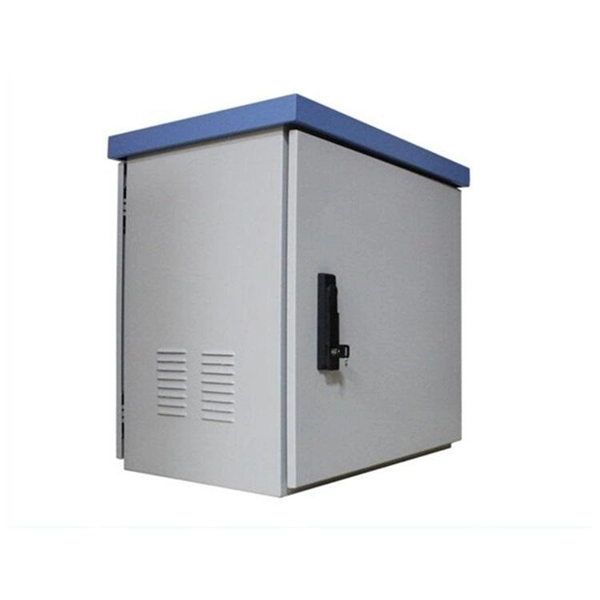
DISTRIBUTION BOX
Attach a second grounding wire from the mounting plate (B), to the factory central grounding point. The ground
Distribution System Grounding | part of Electric Power and Energy
Improper grounding in secondary systems can cause safety issues including fire and failure of equipment in homes. Most common
The Basics of Grounding Electrical Systems
This article breaks down the complexities found in the fundamental field of grounding for the
When and why is it necessary to apply repeated grounding?
There are several variants of their execution, and we got a question from one of our readers about TN-C type of

Grounding system construction: key points for grounding distribution
Everything looks perfect until the moment of truth arrives. That''s why today we''ll break down the life-or-death details of
Understanding Grounding of Electrical Systems | NFPA
The grounding electrodes then get connected back to the building''s electrical service via a grounding electrode

Distribution System Grounding
It is recommended to ground the neutral at various strategic locations in distribution substations, overhead lines and underground

The Basics of Grounding & Bonding Electrical Systems | EC&M
Sec. 250.8 [Connection of Grounding and Bonding Equipment] identifies seven specific methods that must be used for connecting
How to Design System Grounding in Low Voltage Electrical Systems
Quantities that can be calculated are subject to increasing requirements in factories and buildings. Also, the control and monitoring
Grounding Practices in Power Distribution Systems
High-Resistance Grounding (HRG): To provide a safe amount of ground fault current, HRG systems employ a high-resistance
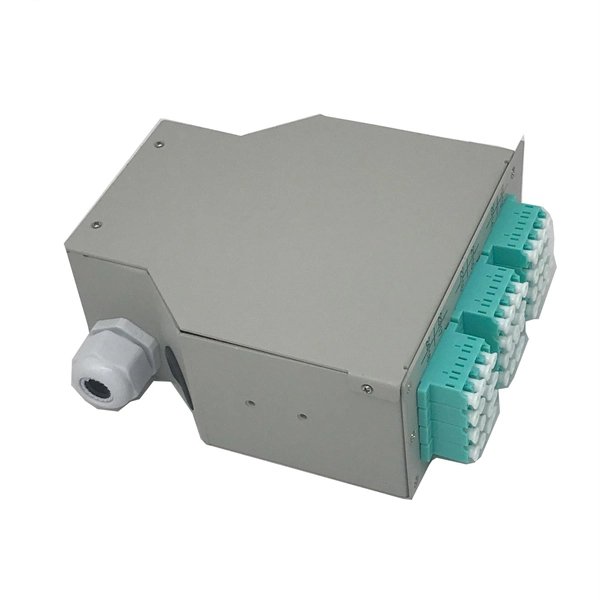
Electrical grounding and bonding per NEC
Examples of ground-fault current paths are any combination of equipment grounding conductors, metallic raceways
Safe Grounding Method for Distribution Boxes
By understanding grounding threats, using proper terminology, and GROUNDING OF UTILITY AND INDUSTRIAL DISTRIBUTION In
Grounding of commercial and industrial power systems
Grounding of commercial and industrial power systems Grounding is an important aspect of every
Grounding Techniques for Power Systems
Grounding Techniques A practical electrical grounding guide for power systems, covering grounding vs bonding, fault
Grounding & Bonding — Why it is done And How to Install Properly
Bonding is accomplished when the electrician connects equipment grounding conductors to the equipment grounding terminal bar in
Grounding Practices in Power Distribution Systems
The installation of grounding methods for transmission lines is absolutely necessary in order to guarantee
Grounding Systems Design & Application
This training seminar discusses the pros and cons of each grounding method as recommended by most acceptable global standards.
Personal Protective Grounding for Electric Power Facilities and Power
The method of double-isolation grounding using equipment ground switches (paragraph 7.2) is recommended in lieu of conventional
Grounding System Installation Standards for Distribution Boxes and
Whether you''re a seasoned pro or just starting out, this comprehensive guide will give you practical insights into proper
Understanding Grounding and Bonding: A Practical
Proper grounding and bonding are fundamental to the safety and functionality of any electrical system.
Nine Recommended Practices for Grounding
Grounding and bonding are the basis upon which safety and power quality are built, and they provides low-impedance
Related Resources
- Automation Design of Gas-Insulated Switchgear Distribution Network
- Eye Diagram Analysis of Bit Error Analyzer
- Price of optical fiber conduit in Vietnam
- Major Cable Tray Brands
- How to install the sheathing for the doorway wire of the distribution box
- Argentina Warranty for Butterfly Drop Fiber Optic Cable OS2
- What are the design principles of photovoltaic combiner boxes
- Materials for Low-Voltage Distribution Cabinets and Boxes