Article Overview
Cold aisle installation involves arranging server racks face-to-face, enclosing the aisle, and managing airflow to optimize cooling efficiency and reduce energy consumption.
Cold Aisle Layout
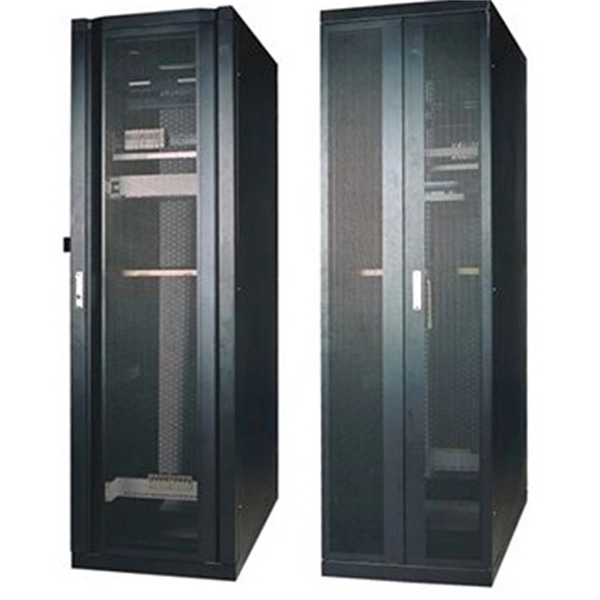
In a standard cold aisle configuration, server racks are arranged so that the fronts of the racks face each other, forming a corridor known as the cold aisle, while the backs of the racks face each other across hot aisles . Cold air is supplied through perforated floor tiles or overhead ducts directly into the cold aisle, and servers draw this air through their front intakes. Hot air is expelled into the adjacent hot aisle, preventing mixing and maintaining consistent inlet temperatures .
Containment and Isolation
Cold aisle containment (CAC) involves physically enclosing the cold aisle with barriers or doors to prevent hot air from entering the cold zone . This ensures that servers receive consistent cold air, reduces energy waste, and improves cooling system efficiency. Key considerations include:
- Sealing the aisle: Use panels, doors, or curtains to enclose the cold aisle.
- Airflow management: Maintain positive pressure in the cold aisle to ensure uniform air delivery.
- Integration with ceiling and floor: Prevent return air from leaking into the cold aisle by adding barriers above the ceiling and around perforated tiles .
Practical Installation Steps
- Rack Arrangement: Place racks face-to-face to form the cold aisle, leaving sufficient space for maintenance and cabling .
- Air Supply: Deliver cold air through floor tiles or overhead ducts directly into the aisle.
- Containment Barriers: Install side panels, doors, or curtains to enclose the aisle and prevent hot air intrusion .
- Return Air Management: Ensure hot aisles have adequate return vents and ducts to balance airflow and prevent recirculation .
- Cabling and Utilities: Route power and network cables through side cabinets or overhead bridges to avoid obstructing airflow .
Benefits
- Energy Efficiency: Cold aisle containment can reduce cooling energy consumption by 20–35% and improve Power Usage Effectiveness (PUE) by 10–20% .
- Equipment Reliability: Consistent inlet temperatures reduce thermal stress and extend server lifespan .
- Retrofit Capability: CAC can be implemented in existing raised floor data centers without major structural changes .
- Cost Savings: Payback periods can range from weeks to a few months, depending on energy savings and available rebates .
Additional Considerations
- Lighting and Fire Protection: Design lighting and gas fire suppression systems to accommodate aisle containment without compromising safety .
- Cooling System Integration: Cold aisle containment works with conventional raised floor cooling or extreme density cooling systems .
- Maintenance Access: Ensure doors or removable panels allow easy access for server maintenance and cabling adjustments . By following these principles, a computer room can achieve optimized cooling, reduced energy costs, and improved operational reliability.
Aisle Containment | Modular Cleanroom & Data Center Containment
Our modular systems provide flexible, secure separation between hot and cold aisles or controlled zones to maintain
FOCUSED COOLING USING COLD AISLE CONTAINMENT
Cold aisle containment can be used with or without conventional raised floor cooling. It is easily retrofitted into existing raised floor
Data Center Design: Hot Aisle & Cold Aisle – Length
Data Center Design: Hot Aisle & Cold Aisle – Length and Width Requirements Efficient airflow
Data Center Aisle Containment Systems | Profile IT
Specify complete aisle containment systems for data centers, edge facilities and high-density compute
Cold Aisle Containment | Legrand
By maintaining consistent, predictable temperatures, cold aisle containment minimizes thermal stress and reduces the risk of
Hot & Cold Aisle Containment: Implementation Guide 2026
Learn how to implement hot and cold aisle containment in existing data centers — HAC vs CAC comparison, PUE
Aisle Containment | Vertiv Hot/Cold Aisle Containment
Product Vertiv™ Aisle Containment Freestanding, Rack-independent system with the flexibility to maximize
Hot Aisle Containment vs. Cold Aisle Containment
However, because every computer room is unique, there is no one definitive solution. For this reason, it is important
Data Center Cooling | Hot-Aisle/Cold-Aisle Systems | Aisle Containment
The goal of hot-aisle/cold-aisle systems is to move maximum heat away from the equipment using the minimum amount of energy.
Data Centre Cooling: Hot Aisle and Cold Aisle Design
Data Centre Cooling: Hot Aisle and Cold Aisle Design Data centres have become an integral part of
FOCUSED COOLING USING COLD AISLE CONTAINMENT
While either hot aisle or cold aisle containment systems can be installed and are both capable of increasing efficiency and cooling
Hot and cold aisle cooling containment
Below are general guidelines for assessing the installation of a 3932 in a hot or cold aisle cooling containment solution. Partitions
Aisle containment as an approach to data center cooling
Cold aisle containment is preferred for facilities with the raised floor as a supply air plenum, as well as for retrofit
Data Center Aisle Containment
Based on our typical 500kW installation, an open aisle data center will operate in full free cooling mode for just 1% of the year, with a
Cold Aisle Containment
How Cold Aisle Containment Works The cold aisle containment system encloses the cold aisle and
Hot vs Cold Aisle Containment: Which Datacenter Cooling Strategy Is
Advantages of Cold Aisle Containment Cold aisle containment offers several distinct benefits for datacenter
The cold aisle containment advantage
The ever increasing power requirements for new denser servers has created the need for supporting higher density compute
Tate Cold Aisle Containment System
Tate''s Cold Aisle Containment (CAC) system efficiently captures cold air from the CRAH or CRAC unit via an underfloor plenum,
Cold Aisle Containment: The Ultimate Guide To
Additionally, cold aisle containment tends to be easier to implement compared to hot aisle containment, as
Hot and Cold Aisle | Effective Aisle Containment
The most popular technologies include liquid cooling, fan installation, hot aisle and cold aisle management, etc. The
Hot Aisle vs Cold Aisle Containment Explained (Data
In this guide, we''ll break down how hot aisle and cold aisle configurations work, what
Hot/Cold Aisle Containment | Data Center Containment Systems
Then observe the unique layout and architecture of each computer room to discover conditions that make hot aisle or cold aisle
Cold Aisle Containment in Data Centers | Subzero
With cooling provided through a raised floor, this cold aisle containment project uses rigid wall panels in
Hot Aisle vs Cold Aisle in Data Centers: Technical Impact, ROI, and
What Are Hot Aisle / Cold Aisle Configurations? Data centers are ovens if left unmanaged. Hundreds, sometimes
Cold Aisle Containment: Complete Implementation Guide for Data
Complete cold aisle containment guide for data centers. Learn CAC benefits, implementation steps, and achieve 35% cooling cost
A Guide to Hot and Cold Aisle Containment for Optimizing Server Room
Training and Awareness The hot and cold aisle strategy is a proven method for improving cooling efficiency and reducing energy
Aisle Containment Systems Physical Containment Systems
Hot aisle/cold aisle configuration is a best practice solution that separates hot and cold air streams. This method raises the
Optimizing Data Center Cooling for Energy Efficiency
Disadvantages of Cold Aisle Containment Hotter Overall Room Temperature: The data
Data Center Hot and Cold Aisle: A Quick Guide
A data center hot and cold aisle is a strategic layout for organizing server racks to manage
Related Resources
- Customized European-style cable trays in Pakistan
- Where in Kazakhstan can I buy low-voltage busbar trunking
- Italy High-Speed Optical Connector 400G
- Fiber Optic Cable Line Maintenance Standards
- Are there fiber optic cable manufacturers in Somalia
- Connecting the wire to the secondary distribution box
- Kazakhstan Imported Melting Tapered Type Remote Monitoring Type Wholesale
- Swiss Data Center Cold Aisle Construction Case
- Albanian hot-dip galvanized cable tray processing