Article Overview
Distribution boxes must be grounded with low-resistance connections, properly sized conductors, and bonded metallic components to ensure safety and compliance with electrical standards.
Key Grounding Requirements
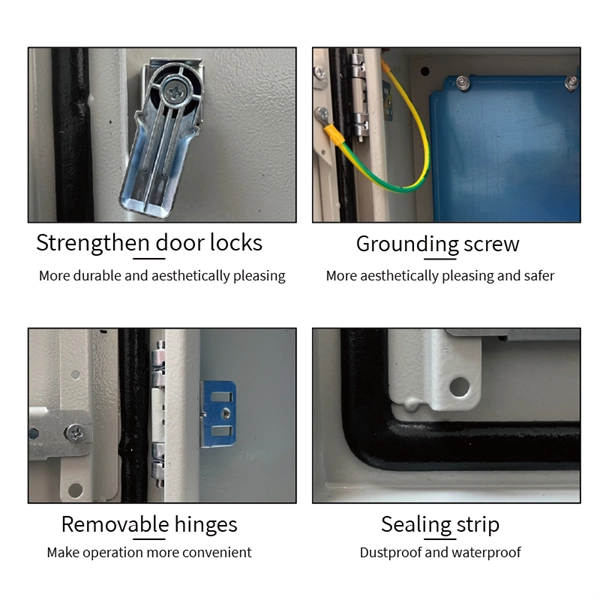
Resistance Limits: The grounding system should provide a low-impedance path to earth. For general distribution boxes, the ground resistance should typically be less than 25 ohms, with some industrial applications requiring <0.1 ohm between system components and the central grounding point . Testing each installation is critical to verify compliance. Conductor Sizing: Grounding conductors must be sized appropriately to carry fault currents safely. In the US, a 10 AWG (5.26 mm²) wire is standard, while other markets may require 6 mm² or larger. For connections between mounting plates and equipment, larger conductors such as 16 mm² or 6 AWG may be used to maintain low resistance over long cable runs . Bonding Practices: All metallic parts of the distribution box, including the enclosure, door panels, and internal mounting plates, must be bonded to form an equipotential system. Flexible copper braided tapes are commonly used for moving parts like hinged doors to maintain consistent contact and reduce resistance . Anti-loosening washers and conductive paste can prevent oxidation and maintain reliable connections in stainless steel enclosures . Material Considerations: Use corrosion-resistant materials compatible with the enclosure. For stainless steel boxes, connectors should match the enclosure material to prevent galvanic corrosion. Copper or tinned copper conductors are preferred for grounding rods and internal connections . Installation Guidelines:
- Drive grounding rods in locations with good soil conductivity; multiple rods may be required if resistance exceeds limits .
- Connect the neutral bus bar inside the LV cabinet to the enclosure body using a dedicated copper link to ensure solid grounding .
- Bond all equipment, raceways, and metallic enclosures into a continuous grounding system to allow overcurrent devices to operate effectively during faults .
- Avoid shortcuts like double-tapping neutrals or using substandard rods, as these compromise safety and longevity . Environmental Considerations: Outdoor or high-humidity installations require attention to condensation and oxidation. Applying conductive paste and ensuring tight, corrosion-resistant connections extends maintenance intervals and reduces localized overheating risks .
Summary
Proper grounding of distribution boxes involves low-resistance connections, correctly sized conductors, thorough bonding of all metallic components, and corrosion-resistant materials. Compliance with standards such as NEC 250.122, IEEE recommendations, and local utility guidelines ensures safety, reliable fault clearing, and protection against electrical surges . Regular testing and careful installation practices are essential to maintain system integrity over time.
1910.304
Distribution apparatus, such as transformer and capacitor cases, mounted on wooden poles, at a height exceeding 2.44 m (8.0 ft)

Does the Distribution Box Door Need Grounding? Safety Standards FAQ
NEC 250.148 (Grounding Conductor): Requires metallic junction boxes—and by extension, cabinet doors—to bond to
NEC Basics: Connections and Continuity of Equipment
NEC Basics: Connections and Continuity of Equipment Grounding Conductors in
Understanding Grounding of Electrical Systems | NFPA
The earth itself is not considered an effective ground-fault current path, so sticking the wire
GROUND GRID SPECIFICATIONS
PURPOSE AND SCOPE IPMENT, STRUCTURES, ETC. IN ELECTRICAL STATIONS INCLUDING TRANSMISSION AND
FESHM 9190: GROUNDING REQUIREMENTS FOR ELECTRICAL
These grounding requirements are based on those found in NFPA 70, the National Electrical Code (NEC), and do not create any
DUKE UNIVERSITY CONSTRUCTION STANDARDS 1
Introduction Grounding is utilized within electrical distribution systems to provide an alternative, low- impedance path around the
26 05 26 Grounding and Bonding Electrical Systems_06_15_16
For all circuits of systems over 50 volts to ground, include an insulated equipment grounding wire sized according to NEC
Grounding
Material Requirements Grounding system conductors making up the grounding mat and associated ground risers, and/or for
Guidelines for data center grounding and bonding
Data centers have some very specific and unique requirements for grounding and bonding that differ significantly from
Underground Electric Distribution Standards | Reference Materials
JEA is responsible for approval of materials and the design standards used in the construction of its electric infrastructure.
SDCS-03 DISTRIBUTION NETWORK GROUNDING
Every pole with MV equipment installation shall be grounded with minimum of 4 ground rods. In high soil resistivity areas, such as
Grounding and UL 508A Standards
Additional rules for the grounding and bonding of industrial control panels include the sizing
Requirements And Specifications For Installation Of Distribution Boxes
In flammable and explosive environments, explosion-proof distribution boxes should be selected and explosion-proof
Electrical grounding and bonding per NEC
The intent of this article is to discuss the requirements of solidly grounded, alternating current electrical systems less
Installation requirements for distribution boxes
Distribution boxes shall be made of non-combustible materials; open distribution boards may be installed in production
GROUND GRID SPECIFICATIONS
Each Power Circuit Breaker or Power Transformer having a bushing Voltage Transformer on the tank shall have the Voltage
Fundamentals of Grounding in Industrial Automation and Control
The subject of grounding in electronics is broad and complex, spanning across a variety of functions and objectives.

Electrical grounding and bonding per NEC
Understanding correct grounding and bonding design and construction is crucial for proper electrical system operation
How To Ground Electrical Enclosure: The Complete Guide
Proper electrical enclosure grounding is a vital facet for providing safety, performance and uptime. However, it is
Industrial Automation Wiring and Grounding Guidelines
Bonding and Grounding the Chassis With solid-state controls, proper bonding and grounding helps reduce the effects of emi and
250.148 Continuity of Equipment Grounding Conductors and
A connection shall be made between the one or more equipment grounding conductors and a metal box by means of a grounding
Electrical grounding explained
Discover the importance of electrical grounding and how it prevents equipment damage. Learn more about safe
Essential NEC Standards for Electrical Boxes
Selecting the correct box, type, and material and, most importantly, following guidelines for grounding and capacity.
National grid logo and tag
National Electrical Code National Electrical Safety Code Applicable Distribution Construction Standards of the Company National
National Electrical Code 2023 Basics: Grounding and Bonding Part 1
National Electrical Code 2023 Basics: Grounding and Bonding Part 1 Learn about the general requirements for
SECTION 260526
Instructions for periodic testing and inspection of grounding features at test wells, ground rings, grounding connections for separately
Understanding Grounding and Bonding: A Practical Guide for Safe
Grounding and bonding, Electrical safety tips, Practical electrical guide, NEC grounding requirements, IEC earthing standards, BS
Design Standard Grounding and Bonding for Electrical Systems
Design and specify the installation of equipment grounding such that metallic structures, enclosures, raceways, junction boxes, outlet

DISTRIBUTION BOX
Each DISTRIBUTION BOX and controller must be grounded. On the US market, a 5.26 mm 2 (10 AWG) ground wire
The Basics of Grounding and Bonding
Section 250.4 states the general requirements for grounding and bonding of electrical systems for both grounded and ungrounded
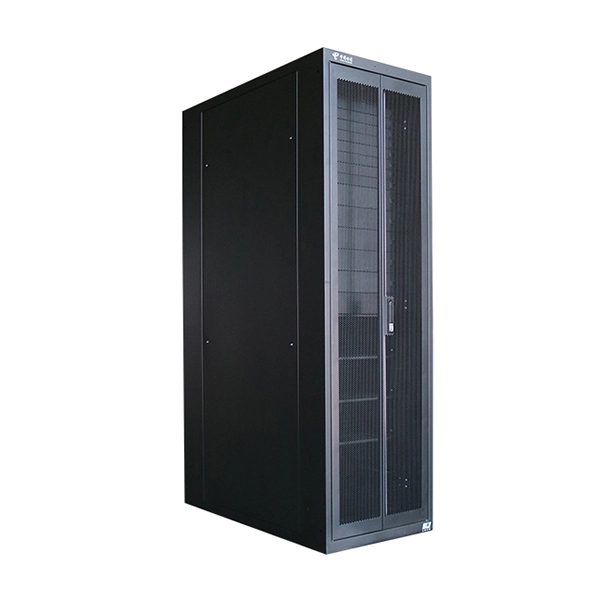
GROUNDING AND BONDING FOR ELECTRICAL SYSTEMS
1.13 Grounding at Pull Boxes: Bolt ground connector in all pull boxes and connect to grounding bushings on all incoming and

Grounding of commercial and industrial power systems
Grounding of commercial and industrial power systems Grounding is an important aspect of every

Design requirements and standards for low voltage distribution boxes
Ensure good grounding and earthing practices to protect people and equipment from electrical faults. Regularly inspect
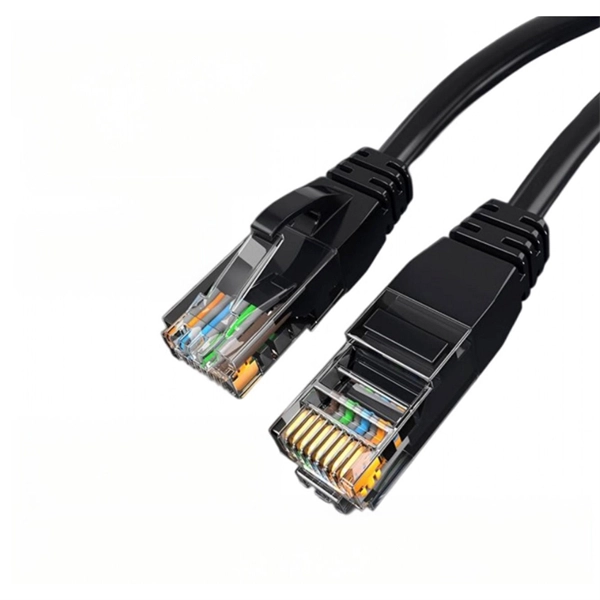
The installation requirements for the distribution box
Learn how to install a distribution box safely and correctly. Covers wiring, placement, standards, and expert tips for a
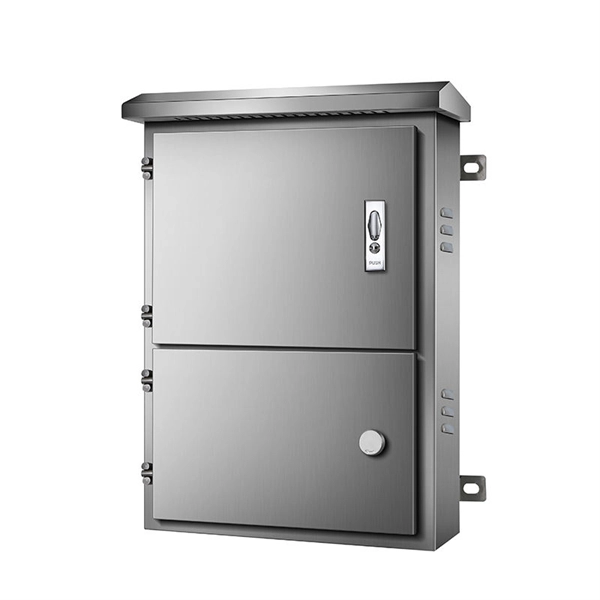
Does the Distribution Box Door Need Grounding? Safety Standards FAQ
Let''s unpack a few key standards that apply: NEC 250.148 (Grounding Conductor): Requires metallic junction
Related Resources
- Uncertainty of Spectrometer
- High-Precision Optical Router Test Report
- SFB type optical module
- Libyan ONT Optical Network Terminal LPO
- Standard Specifications for Optical Cable Pole
- Smart Dehumidifier for Distribution Box
- What size router is needed for a 100 Mbps fiber optic connection
- Fiber Optic Sensor Curing Adhesive
- Requirements for incoming wiring and piping of explosion-proof boxes and distribution boxes
- How to Choose Optical Cable Binding Cable
- Electric distribution box near Egypt
- Where to buy electrical distribution boxes in Portugal
- Swiss Data Center Cold Aisle Construction Case
- Quick-produced optical cables
- Residential Inlet Distribution Box